


Retirement is a significant milestone in life that requires careful planning and strategizing. Understanding the financial implications of retirement is crucial to ensure a comfortable and secure future. This article explores various aspects of retirement and offers insights into determining the best age to retire. Additionally, it provides financial strategies to help individuals navigate the complexities of retirement planning.
"Understanding Retirement and Its Financial Implications"
Retirement, in its modern context, refers to the period when an individual ceases full-time employment and transitions into a more leisure-oriented lifestyle. However, retirement is not simply about ceasing work; it also entails making informed financial decisions to sustain one's lifestyle during the non-working years.Planning for retirement involves a multifaceted approach that goes beyond just setting a retirement date. It requires a thorough understanding of one's financial situation, including savings, investments, and potential income sources. Additionally, considering lifestyle choices, healthcare needs, and desired activities during retirement is crucial for a fulfilling post-career life.
"Defining Retirement: A Modern Perspective"
In the past, retirement was often associated with reaching a certain age, such as 65, and receiving a pension. However, societal norms are changing, and retirement now varies from person to person. Some choose to retire early while others continue working well into their later years. It is crucial to define what retirement means to you personally to develop a tailored plan.Modern retirement planning also emphasizes the importance of maintaining mental and physical well-being during the post-career phase. Engaging in activities that stimulate the mind, staying socially connected, and adopting healthy lifestyle habits are all integral parts of a successful retirement strategy.
"The Financial Side of Retirement: What You Need to Know"
Retirement entails a significant shift in income sources. Instead of relying on a regular salary, retirees often depend on pension plans, investments, and social security benefits. Understanding these financial aspects is essential for effective retirement planning. Moreover, it is vital to consider factors such as inflation, healthcare costs, and unexpected expenses when designing a retirement roadmap.Diversifying income streams and creating a sustainable budget are key components of a secure retirement plan. Monitoring investment performance, staying informed about financial markets, and seeking professional advice can help individuals navigate the complexities of retirement finance with confidence.
"Determining the Best Age to Retire"
Choosing an appropriate retirement age requires careful consideration of various factors. While some individuals may opt for early retirement, others prefer to delay their exit from the workforce. Ultimately, the decision should be based on personal preferences, financial circumstances, and the impact on long-term financial security.When contemplating retirement, it's crucial to factor in not only financial stability but also emotional readiness. Many individuals find fulfillment in their careers and may struggle with the transition to a retired lifestyle. Planning for meaningful activities post-retirement can help ease this adjustment and ensure a smooth transition into this new phase of life.
"Factors Influencing Your Retirement Age"
Several factors influence the best age to retire. These include financial preparedness, health considerations, personal goals, and the availability of social security and pension benefits. Take time to evaluate each factor and determine how they align with your retirement aspirations.Health considerations play a significant role in determining the optimal retirement age. Assessing your physical well-being and potential healthcare needs in retirement is essential for planning ahead. Factors such as access to healthcare facilities, insurance coverage, and anticipated medical expenses should all be taken into account when deciding on the right time to retire.
"The Pros and Cons of Early Retirement"
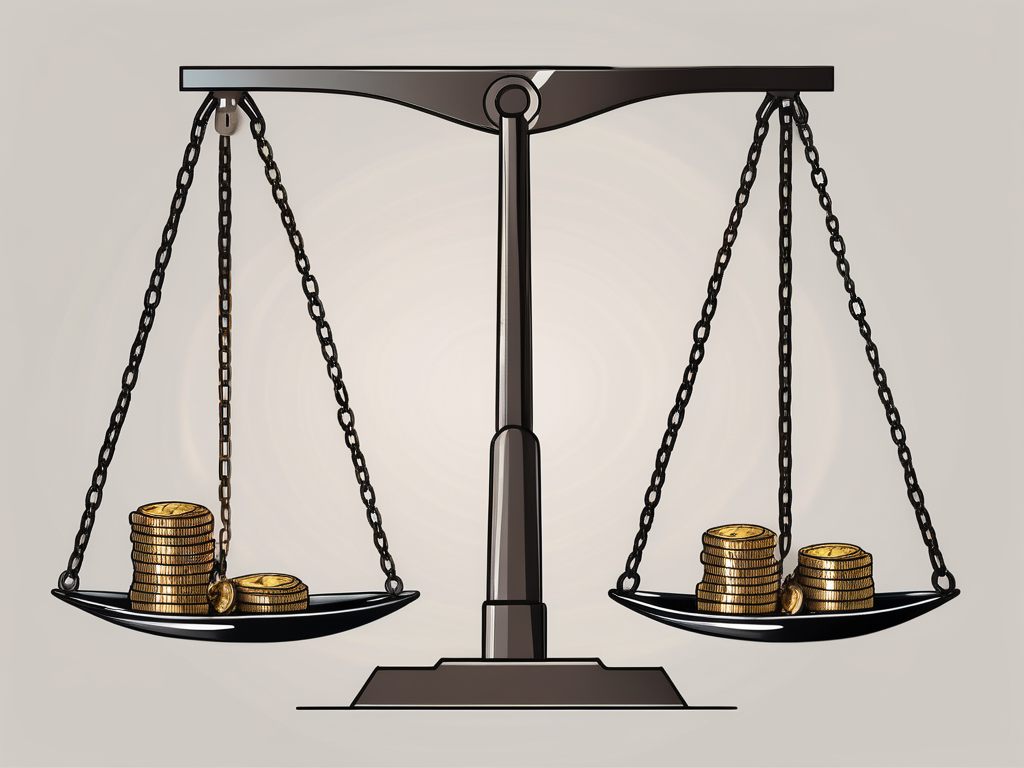
Early retirement can be an appealing option for those who wish to enjoy their non-working years to the fullest. However, it is essential to weigh the advantages and disadvantages before making a decision. While early retirement offers more leisure time, it also means a potentially longer retirement period and a reduced income stream.Embracing early retirement can open up opportunities for pursuing hobbies, travel, or spending time with loved ones. On the flip side, it's crucial to consider the financial implications of retiring early, such as reduced social security benefits and the need to stretch retirement savings over a longer period. Careful financial planning and budgeting are essential to ensure a comfortable and sustainable early retirement lifestyle.
"The Benefits of Delaying Retirement"
Delaying retirement has its own merits. It allows individuals to continue earning a regular income, accumulate greater retirement savings, and maximize social security benefits. Additionally, delaying retirement can provide a sense of purpose and fulfillment by remaining actively engaged in the workforce.For some individuals, delaying retirement can also offer the opportunity to pursue new career paths, start a business, or engage in volunteer work that aligns with their passions. The extra years in the workforce can not only boost financial security but also contribute to personal growth and fulfillment. It's important to weigh these potential benefits against the desire for leisure time and relaxation that comes with retirement.